
-
Expertise rooted in clinical neurology
Post-concussion neuropsychological assessment sits at a precise intersection of neurology, neuropsychology, and rehabilitation medicine. Dr. Sabrina Diab completed her doctoral internship at the Montreal Neurological Institute, a leading centre in clinical neurology, which grounds her approach in a nuanced reading of acquired brain injuries and their cognitive effects.
Documenting cognitive effects for a better recovery.
Post-concussion Neuropsychology Assessment in Montreal
A concussion, or mild traumatic brain injury, can leave cognitive effects that delay the return to daily activities. Neuropsychological assessment clarifies the extent of these effects and supports decisions about returning to school, sport, or work.
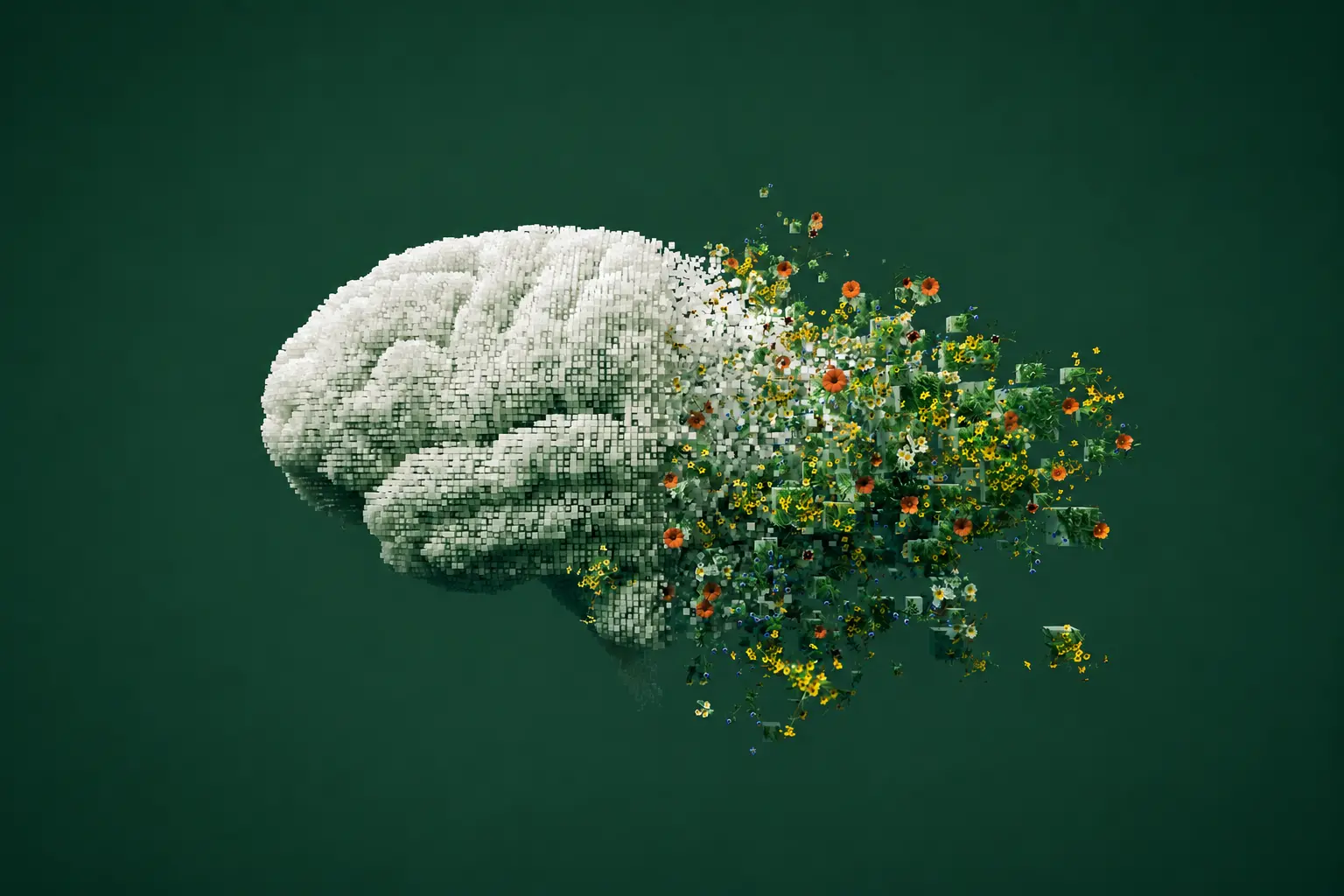
Concussion
A brain injury that affects cognitive functioning
A concussion is a mild traumatic brain injury caused by a direct blow to the head, face, or neck, or by a violent jolt to the body that transmits force to the brain. It temporarily disrupts brain functioning without necessarily causing a visible injury on standard imaging. Signs appear immediately or within minutes of the impact. While most concussions resolve within a few weeks, a significant proportion of those affected experience persistent symptoms that warrant a thorough clinical assessment.

Post-Concussion Syndrome
Recovery follows distinct clinical phases
Recovery after a concussion does not follow a straight line. It unfolds in phases that help guide care and identify the point at which a neuropsychological assessment becomes relevant.
01
Day 0. Acute phase, the first days
Headaches, confusion, nausea, sensitivity to light and sound, intense fatigue, difficulty concentrating. Cognitive and physical rest is the clinical priority. Any worsening of symptoms requires immediate medical attention.
02
2 wks. Subacute phase, two to four weeks
Most symptoms begin to fade. A gradual return to activities is recommended, following the graduated stages for returning to school, work, and sport. Cognitive difficulties that persist at this stage warrant increased clinical attention.
03
1 mo. Post-concussion syndrome, beyond one month
When symptoms persist beyond one month, this is referred to as post-concussion syndrome. Cognitive complaints mainly involve attention, working memory, and processing speed. A neuropsychological assessment is particularly relevant at this stage to objectively measure these effects.
04
3 mo.+. Persistent symptoms, three months and beyond
Beyond three months, persistent symptoms warrant a thorough assessment that documents the cognitive profile and guides rehabilitation. The assessment also supports claims with insurers, the SAAQ, the CNESST, or the school team for children.
Symptoms to Watch For
Common Cognitive Complaints After a Concussion
Here are the cognitive symptoms most frequently reported after a concussion. Their persistence warrants a clinical assessment.
- Difficulty maintaining attention on a task, especially in the presence of noise or multiple sources of information
- Forgetting instructions, appointments, or recent information that used to be easily retained before the concussion
- Subjective slowing of thought, or a sense that the brain is working in slow motion
- Significant cognitive fatigue after a short period of mental or academic work
- Irritability, reduced tolerance for stress, or mood changes that feel out of character
- Sleep difficulties, insomnia, non-restorative sleep, or daytime drowsiness
- Headaches that worsen with cognitive effort or screen use
- Difficulty finding words, organizing thoughts, or following a conversation
The Value of the Assessment
Why Consult a Neuropsychologist After a Concussion
Neuropsychological assessment provides an objective reading of cognitive effects in cases where subjective complaints are sometimes called into question. It distinguishes the effects of a concussion from other factors that can mimic the symptoms, such as anxiety, a sleep disorder, or a pre-existing attention condition. It also makes it possible to document recovery over time when longitudinal follow-up is indicated. In cases of repeated concussions, particularly among athletes, the assessment can also form part of a medium-term clinical prevention approach.
The Assessment in Practice
What the Post-Concussion Neuropsychological Assessment Includes
The assessment combines several measures targeting the cognitive functions most vulnerable to a mild traumatic brain injury.
01
Clinical Interview and Account of the Event
Documentation of the circumstances of the concussion, the evolution of symptoms, medical history, and previous concussions. The interview also covers pre-concussion functioning to establish a clinical point of comparison.
02
Attention and Processing Speed Measures
Standardized tests of sustained attention, divided attention, processing speed, and working memory. These functions are most often affected after a concussion, and measuring them objectively is essential.
03
Memory and Executive Functions
Assessment of verbal and visual memory, learning, and executive functions such as inhibition, flexibility, and planning. These measures document the extent of cognitive effects and their impact on daily activities.
04
Integrated Analysis and Report
A clinical synthesis that clarifies the current cognitive profile, distinguishes concussion-related effects from other possible factors, and provides tailored recommendations. The report can support claims with insurers, the SAAQ, the CNESST, or the school team.
Before you consult
Frequently Asked Questions About the Post-Concussion Assessment
If your question isn’t on this list, reach out directly to discuss it.
Symptoms fall into several categories. Physical symptoms include headaches, nausea, dizziness, and sensitivity to light and noise. Cognitive symptoms include attention difficulties, forgetfulness, slowed thinking, and cognitive fatigue. Emotional symptoms include irritability and mood changes. Sleep disturbances are also common.
Most concussions resolve within two to four weeks with initial rest and a gradual return to activities. A significant proportion of those affected, particularly after multiple concussions, experience symptoms that persist beyond one month. In these cases, this is known as post-concussion syndrome, and a neuropsychological assessment becomes particularly relevant.
Post-concussion syndrome refers to the persistence of symptoms beyond one month after a concussion. The complaints typically involve cognitive functions, such as attention, working memory, and processing speed, but can also include fatigue, headaches, irritability, and sleep disturbances. A thorough clinical assessment helps objectively measure the impact and guide rehabilitation.
A neuropsychological consultation is particularly recommended when symptoms persist beyond one month, when the return to school, sports, or work is compromised, or when repeated concussions raise concern about a cumulative effect. For a recent concussion, the first step remains medical follow-up. The neuropsychological assessment comes as a complement.
When the concussion occurred in a car accident, the SAAQ may reimburse the neuropsychological assessment. When it occurred at work, the CNESST may do the same. These organizations generally require a medical prescription. For other situations, private insurance often covers the assessment partially or fully.
Yes. The clinical report documents current cognitive abilities and can support decisions about returning to school, sport, work, or driving. It is an objective clinical document that complements the medical examination and facilitates dialogue with the school, sports, professional, or medical teams involved in the return to activities.